A MapQuest Mileage Calculator search helps answer a simple but important question: how far is the trip by the roads you will actually use? Straight-line distance can be useful for general context, but route mileage is what matters for fuel, arrival planning, vehicle wear, and travel budgets. A mapping tool can provide a road-based estimate that you can review before leaving.
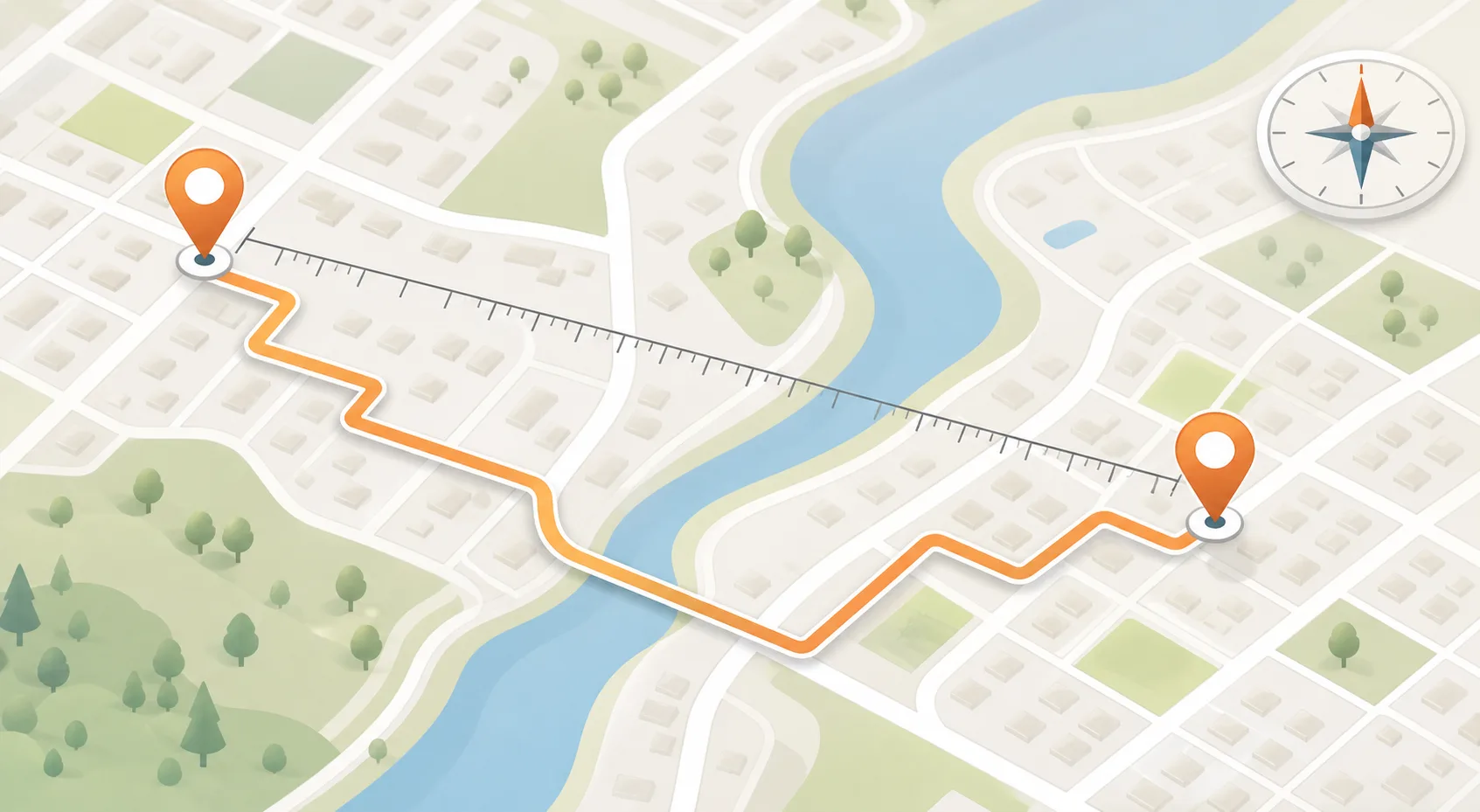
Route miles versus straight-line distance
A straight line ignores one-way streets, rivers, mountains, highways, property boundaries, and the road network. Route mileage follows accessible roads and therefore usually gives a better estimate for driving. Even route mileage can change when you select toll avoidance, a different destination entrance, or a road with a temporary closure.
For walking or cycling, the distance may follow paths and crossings that are different from the driving network. Always choose the travel mode that matches the trip before comparing mileage.
How to calculate mileage for a trip
Use precise places and keep your route assumptions consistent. If you are comparing two itineraries, record both the distance and the estimated time so you do not mistake a shorter route for a faster one.
- Enter the exact starting address or location.
- Enter the destination and confirm the correct city, state, and entrance.
- Select driving, walking, or cycling as appropriate.
- Record the route mileage and travel-time estimate.
- Add planned detours, local driving, or return mileage when budgeting the full trip.
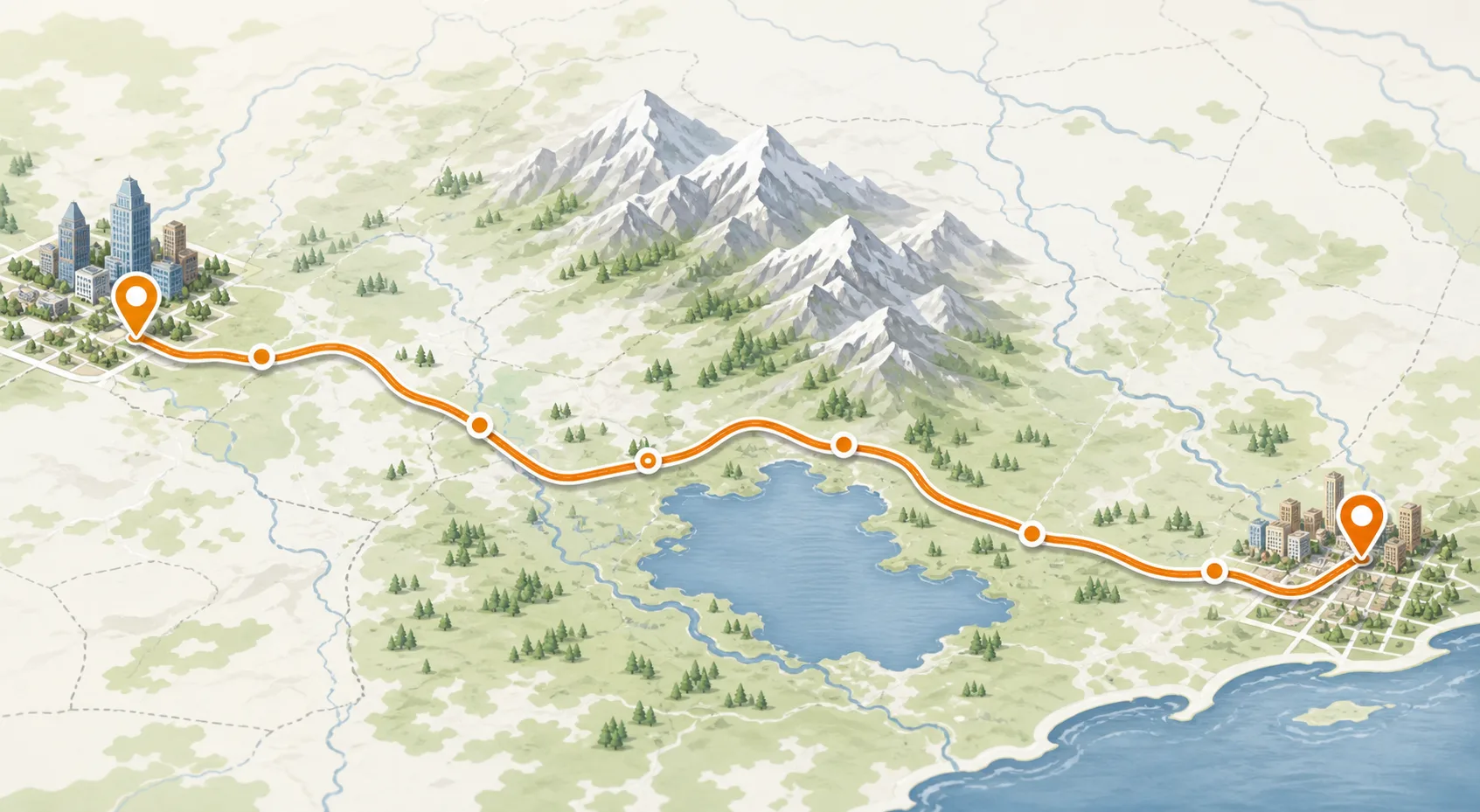
How mileage supports trip planning
Mileage can help you estimate fuel, schedule breaks, calculate a delivery or reimbursement total, and decide whether a detour is worth taking. For work travel, keep a record of the route assumption and date because the shortest available route may change over time.
- Use round-trip miles when planning a return journey.
- Add a margin for finding parking or reaching a separate entrance.
- Pair distance with traffic and weather checks before a fixed appointment.
- Recalculate when a road closure or major detour changes the route.
Distance planning tip
Write down one-way miles, round-trip miles, and expected local miles separately. That small distinction makes fuel, time, and reimbursement estimates much easier to understand.
About this MapQuest Mileage Calculator guide
Maps and Driving Directions is an independent information resource for the MapQuest Mileage Calculator topic, not the official MapQuest service.
Common questions
MapQuest Mileage Calculator FAQ
What does a mileage calculator measure?
A route mileage calculator estimates the distance between two places using a selected road, walking, or cycling route rather than only measuring a straight line.
Why can two routes have different mileage?
Different roads, toll settings, destination entrances, traffic restrictions, and detours can create different distances between the same locations.
Should I use one-way or round-trip mileage?
Use one-way mileage for a single leg and double it only when the return route is comparable. Add local driving and detours for a realistic total.