MapQuest Classic is a search phrase used by people who remember a straightforward map-and-directions experience and want to find a familiar way to search places. A classic layout often feels useful because the important controls are easy to recognize: origin, destination, route, distance, and turn list. Modern map tools may look different, but the planning principles remain the same.
Why people search for MapQuest Classic
People may use the phrase when they want an uncluttered map, a recognizable route-planning workflow, or a directions page that is comfortable to read on a larger screen. Others are looking for a previous version, older instructions, or a familiar way to print a route. The exact interface can change, so it is wise to focus on the information you need rather than relying on a particular button position.
The essentials are consistent: identify the right places, choose the travel mode, compare the route, and confirm the turns before departure.
How to use a classic-style map workflow
A simple workflow reduces mistakes and works across different map products. Keep the map open long enough to inspect the route instead of copying only the arrival time.
- Search for the starting location and verify its address.
- Search for the destination and check the selected pin or entrance.
- Choose the correct travel mode and route preferences.
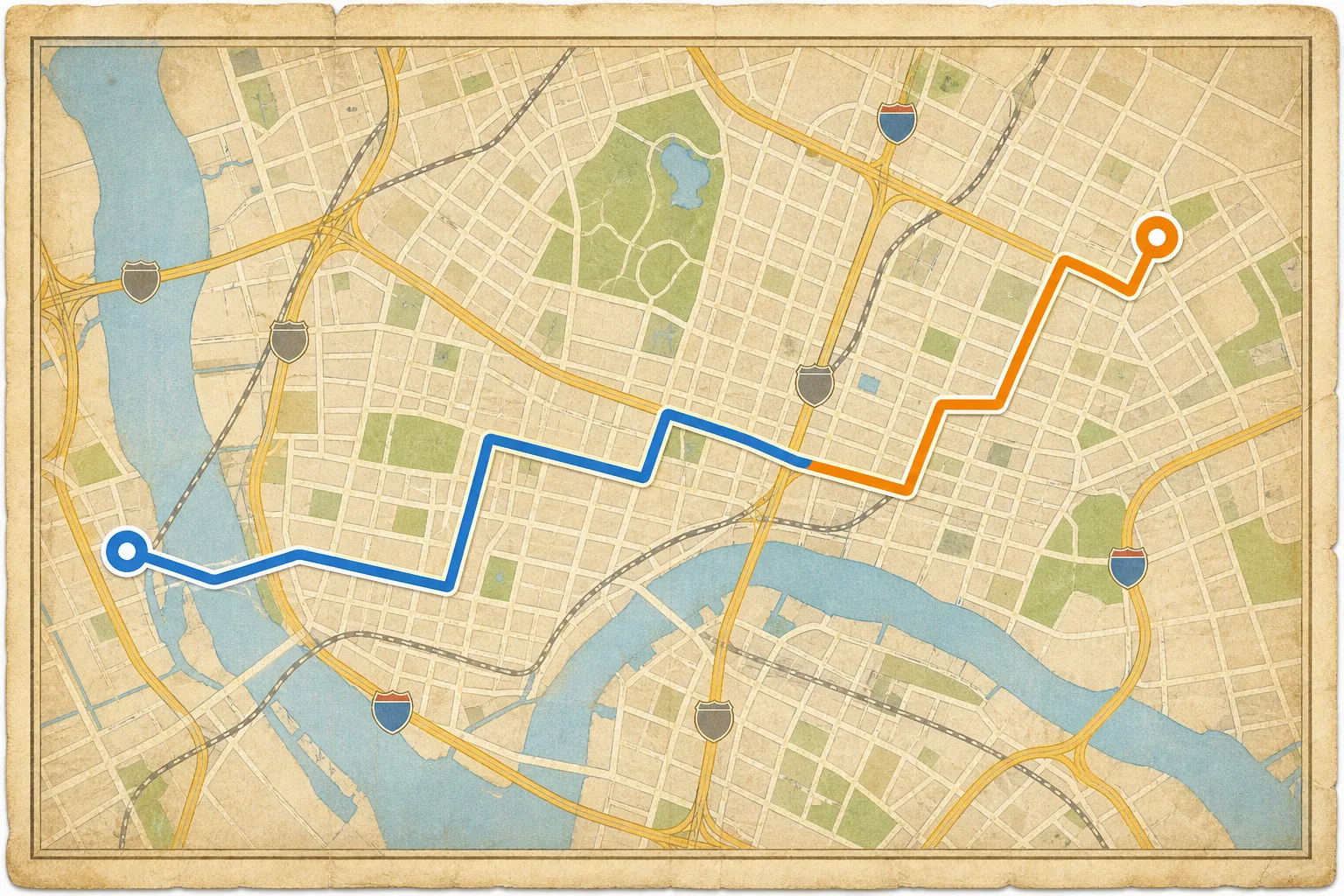
- Review the overview, distance, travel time, and turn sequence.
- Print, save, or securely share the plan if another traveler needs it.
Printing and reviewing directions
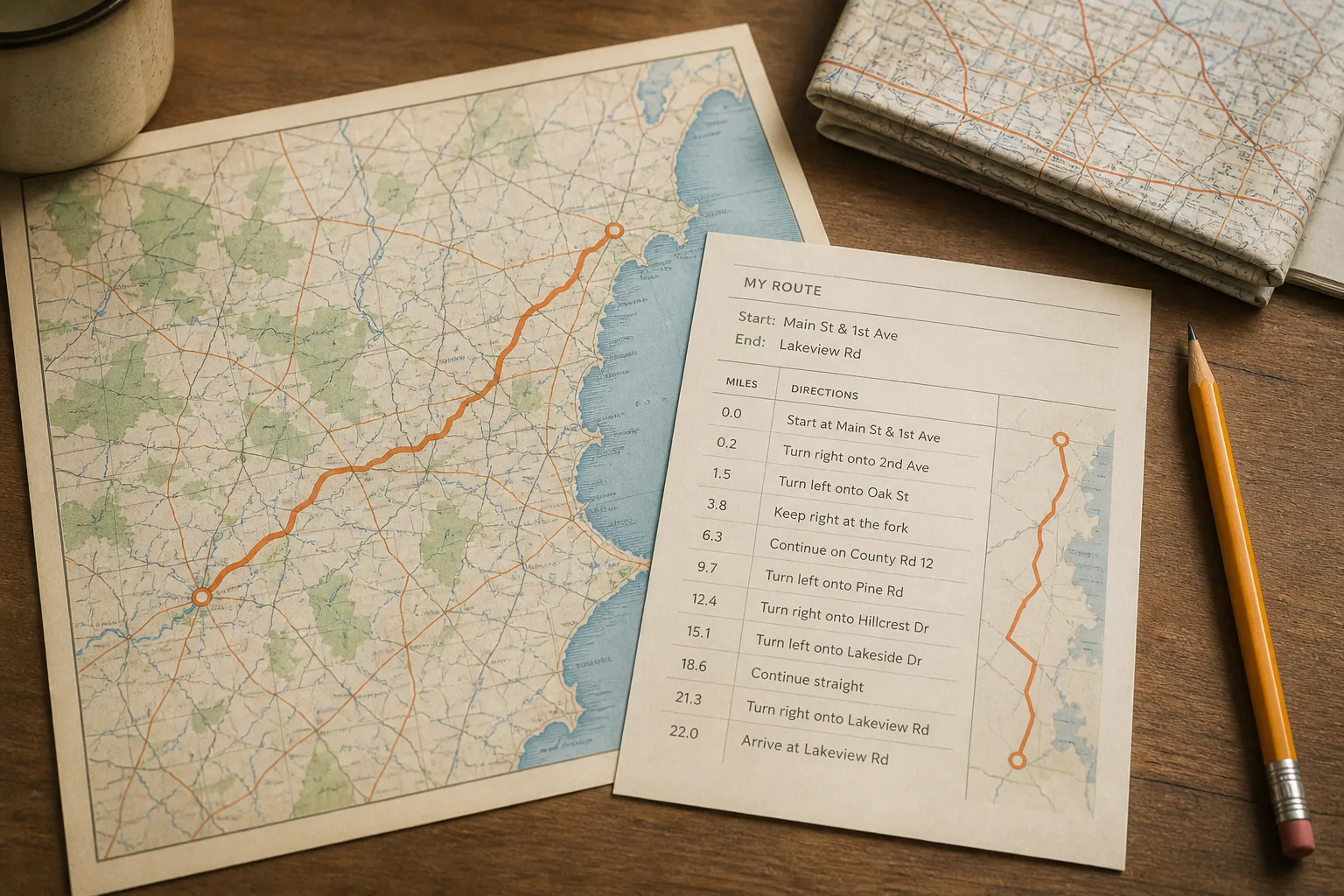
A printed route can be useful when a phone battery is low, cellular coverage is uncertain, or a second person is helping navigate. Keep the overview together with the turn list and mark fuel stops, rest areas, or important checkpoints. Printed directions should still be checked against road signs and current conditions.
When using a modern map, look for equivalent features such as route alternatives, share, save, print, and location details. The design may change, but the information remains comparable.
Classic habits that still help
The best part of a classic map workflow is the deliberate review. Taking a moment to understand the roads before driving can prevent rushed lane changes and missed exits.
- Know the first major road and the final approach.
- Write down a nearby landmark for complicated destinations.
- Carry a backup plan for closures or a lost connection.
- Keep the driver focused on the road while a passenger handles changes.
Keep the useful part of classic maps
A clean map view is helpful, but careful route review matters more than a particular interface. Confirm locations, roads, turns, and current conditions before you travel.
About this MapQuest Classic guide
This page explains the MapQuest Classic search topic independently. It is not a recreation of a proprietary MapQuest interface and is not affiliated with MapQuest.
Common questions
MapQuest Classic FAQ
What does MapQuest Classic mean?
It commonly refers to a familiar or earlier-style MapQuest map and directions experience that people remember for straightforward route planning and printable directions.
Can I still use a classic map workflow today?
Yes. Modern mapping services generally provide the same core steps: search locations, choose a mode, compare routes, review turns, and save or print the plan.
Are printed directions still useful?
They can be useful as a backup, especially when battery or connectivity is uncertain. Always compare them with current road signs and conditions.