Bing Maps Driving Directions searches are useful when someone wants a dependable web map for planning a journey. The most useful result is one that you understand before you move: the right starting point, the right destination, the major roads in between, and the conditions that could affect arrival. Careful route review helps you use a map as a planning aid instead of treating an estimated route as a promise.
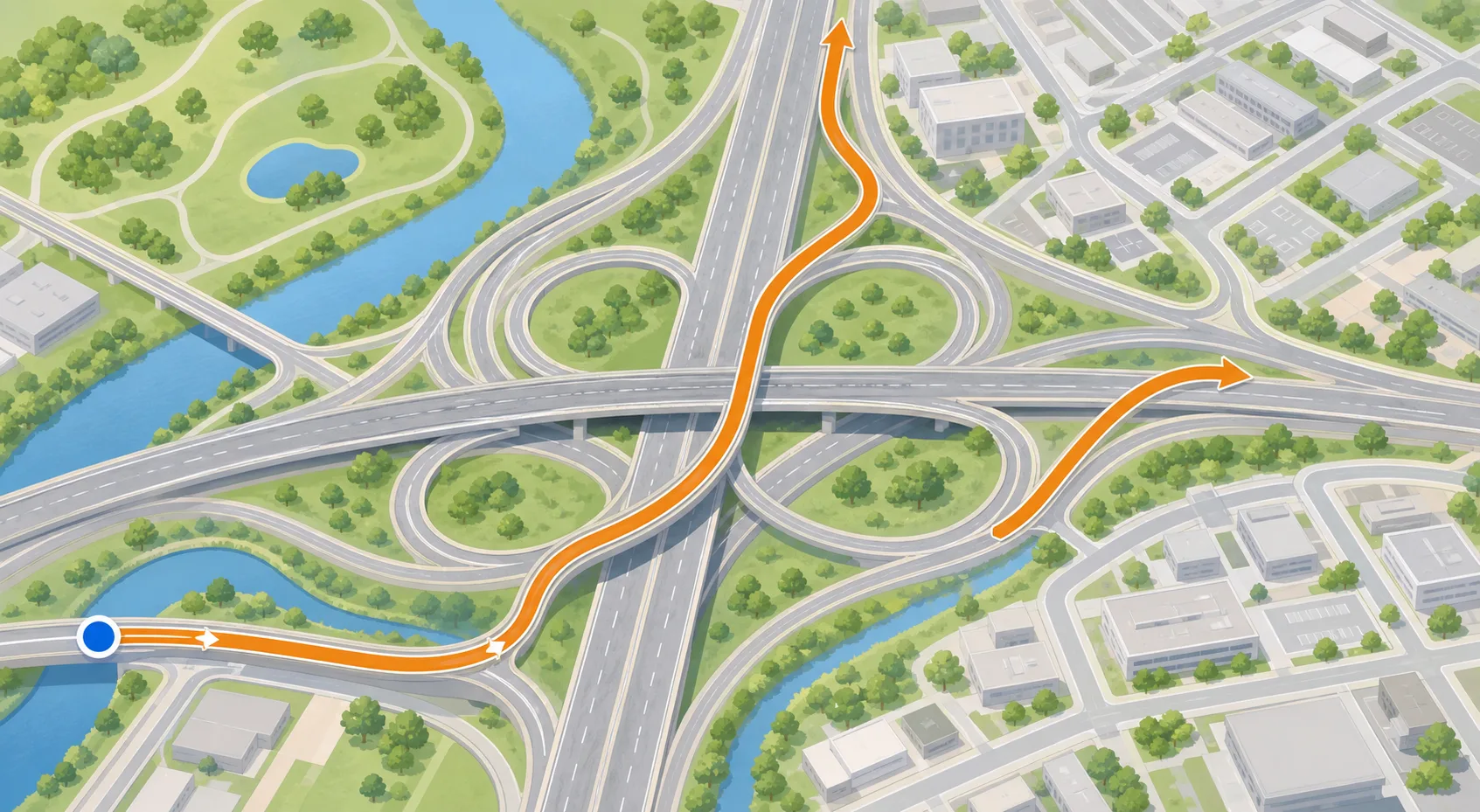
Bing Maps driving directions basics
A road directions result typically combines a map overview with distance, estimated travel time, and turn information. It may offer more than one route so you can compare a highway option with a local-road alternative. Review the explanation behind each choice, especially when tolls, ferries, restricted roads, or busy urban streets are involved.
Use the location name as a starting point, not proof that the selected result is correct. Matching the street address and city is especially important for schools, hospitals, shopping centers, and office complexes.
Steps for planning a Bing Maps route
A repeatable process makes route searches less error-prone. Take a moment to verify the places before focusing on the estimated arrival time.
- Enter your departure point with a street address or recognizable landmark.
- Search the destination and check that the map pin is on the intended property.
- Compare route distance, time, road type, tolls, and difficult turns.
- Zoom in on exits, roundabouts, and the final approach.
- Review traffic and weather, then set up navigation while parked.

Compare time with route quality
Two minutes saved may not be worth a complicated sequence of turns, a toll, or a route that is difficult to follow in poor weather. For a regular commute, compare the route you prefer with the route that is fastest at different times of day. For a long drive, consider rest areas, fuel, food, and fatigue as part of the route decision.
- Identify the first and last major turns.
- Check if the route includes tolls or ferries.
- Allow time to find parking at the destination.
- Save a backup route for unexpected delays.
Use maps responsibly while driving
Directions should be prepared before departure and followed with attention to the road. If an instruction conflicts with a road sign or visible hazard, use your judgment and obey local traffic rules. Pull over whenever you need to read, type, or change the plan.
Route confidence comes from review
Know the shape of the trip before starting: departure road, major connection, destination exit, and final entrance. That overview makes changing conditions easier to handle.
About this Bing Maps Driving Directions guide
This independent article covers the Bing Maps Driving Directions topic. Microsoft, Bing, and related marks belong to their owners; this site is not affiliated with Microsoft.
Common questions
Bing Maps Driving Directions FAQ
What should I compare in Bing Maps driving directions?
Compare estimated time, distance, major roads, tolls, turns, destination access, traffic, and any route detail that affects your trip.
Why is the destination pin important?
Large properties and businesses can have several entrances. Confirming the pin and arrival road helps avoid reaching the wrong side of the property.
Should I trust every route instruction?
Use instructions as helpful guidance, but follow current signs, closures, and traffic laws. Pull over safely if you need to check or change the route.